
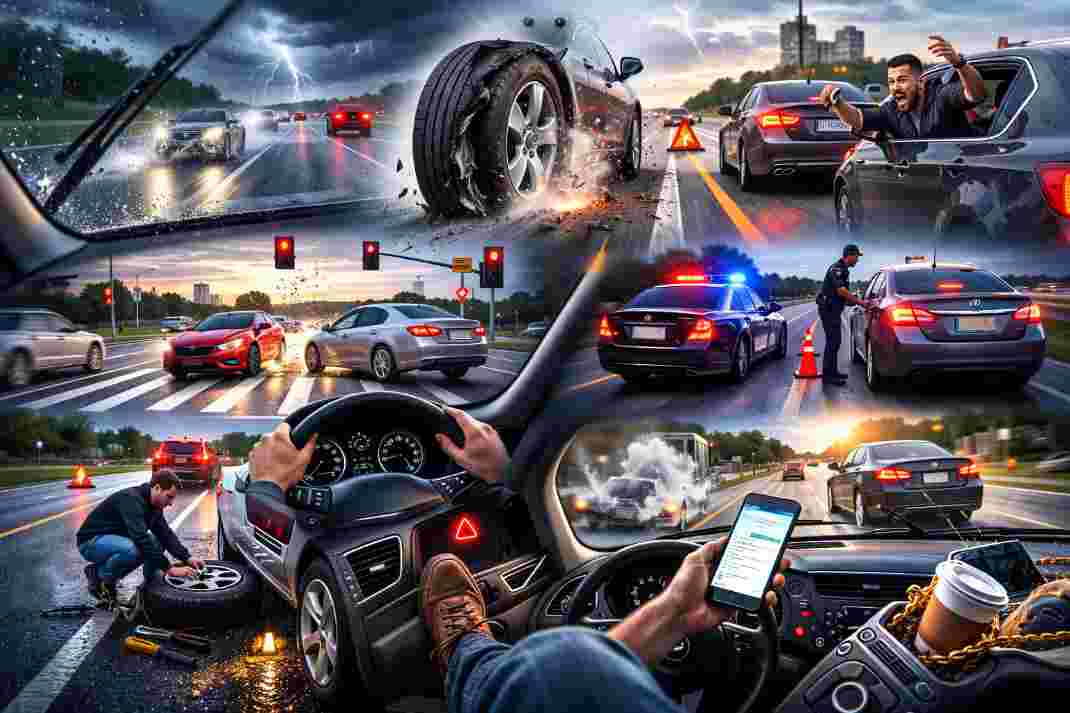
Every commute has the potential to surprise you. One minute you’re cruising through a green light, the next you’re navigating a surprise downpour, a road rage incident, or flashing police lights in your rearview mirror. Most drivers feel confident behind the wheel—until something unexpected happens and they realize they weren’t as prepared as they thought.
The good news? Most road emergencies are manageable when you know what to expect. Here are seven situations every commuter should be ready for.
1. Sudden Changes in Weather
Weather can shift without much warning, especially in regions with unpredictable climates. Rain, ice, fog, and snow all demand a different style of driving—reduced speeds, increased following distances, and extra caution at intersections.
Keep your windshield wipers in good condition and check your tire tread regularly. If road conditions deteriorate quickly, it’s always safer to pull over and wait it out than to push through and risk losing control.
2. Tire Blowouts
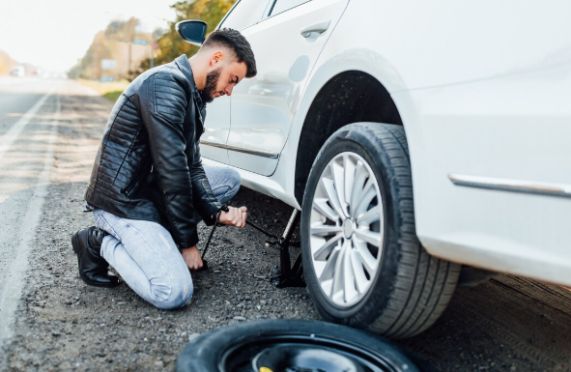
A tire blowout at highway speed is one of the most startling things a driver can experience. The instinct is to brake hard, but that can send your vehicle into a spin.
Instead, keep a firm grip on the steering wheel, ease off the gas, and let the car slow down gradually before pulling onto the shoulder. Practice mentally rehearsing this response—it’s much easier to stay calm when you’ve already thought through what to do.
Also, make sure you always have a spare tire, a jack, and a lug wrench in your vehicle.
3. Aggressive Drivers and Road Rage
Aggressive driving is a daily reality on busy roads. Tailgating, sudden lane changes, excessive honking—these behaviors are frustrating, but reacting to them often makes things worse.
The safest response is to create space between your vehicle and the aggressive driver. Don’t make eye contact, don’t retaliate, and don’t engage. If the situation escalates and you feel genuinely threatened, drive to a busy public area and call for help rather than going home.
4. Running a Red Light or Stop Sign
Intersection collisions are among the most common—and most serious—types of accidents. Even when you have the right of way, it pays to glance both ways before proceeding through a green light.
Other drivers run red lights more often than most people realize. A brief pause before accelerating through an intersection could prevent a serious crash. It’s a small habit with a potentially life-saving impact.
5. Getting Pulled Over
Being pulled over can be stressful even when you haven’t done anything seriously wrong. Signal early, pull to the right, and come to a full stop in a safe location. Keep your hands visible, stay calm, and be polite.
Know your rights. In Utah and most states, you’re required to provide your license, registration, and proof of insurance when asked. If you’ve been stopped on suspicion of driving under the influence, the legal stakes are much higher—this is where having the contact information for a qualified DUI attorney in Salt Lake City (or your local area) could make a significant difference in how your case unfolds.
6. Brake Failure
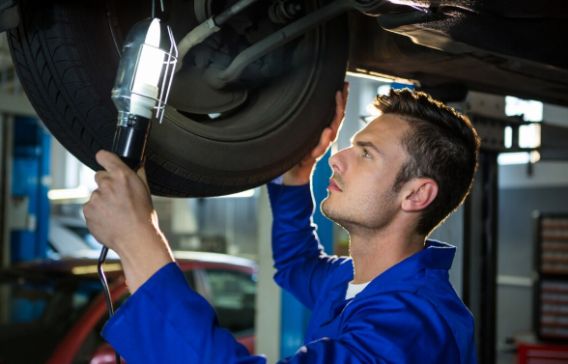
Brake failure is rare, but not impossible—especially in older vehicles or after improper maintenance. The warning signs often appear beforehand: a soft or spongy pedal, grinding noises, or pulling to one side when braking.
If your brakes do fail while driving, downshift to lower gears to slow the vehicle, use the emergency brake gradually, and look for a safe area to steer toward—such as an empty lot, a grassy shoulder, or an uphill slope that will naturally slow the car. Regular brake inspections are the best prevention.
7. Distracted Driving Situations
You might be a focused driver, but the people around you might not be. Distracted driving—primarily from phone use—is now one of the leading causes of traffic accidents.
Stay aware of drivers who seem to be drifting in their lanes, slowing down unexpectedly, or not responding to traffic signals. Keep a buffer between your car and any vehicle that seems erratic. And needless to say, put your own phone away before you start moving.
Be Ready Before You Hit the Road
The seven situations above range from mild inconveniences to genuine emergencies, but they all share one thing in common: preparation makes them easier to handle.
Whether that means checking your tires before a long commute, brushing up on your legal rights during a traffic stop, or simply building better situational awareness on the road, every step you take off the road makes you safer when you’re on it.
Know your vehicle, know your rights, protect your assets and drive like every commute is worth protecting.