
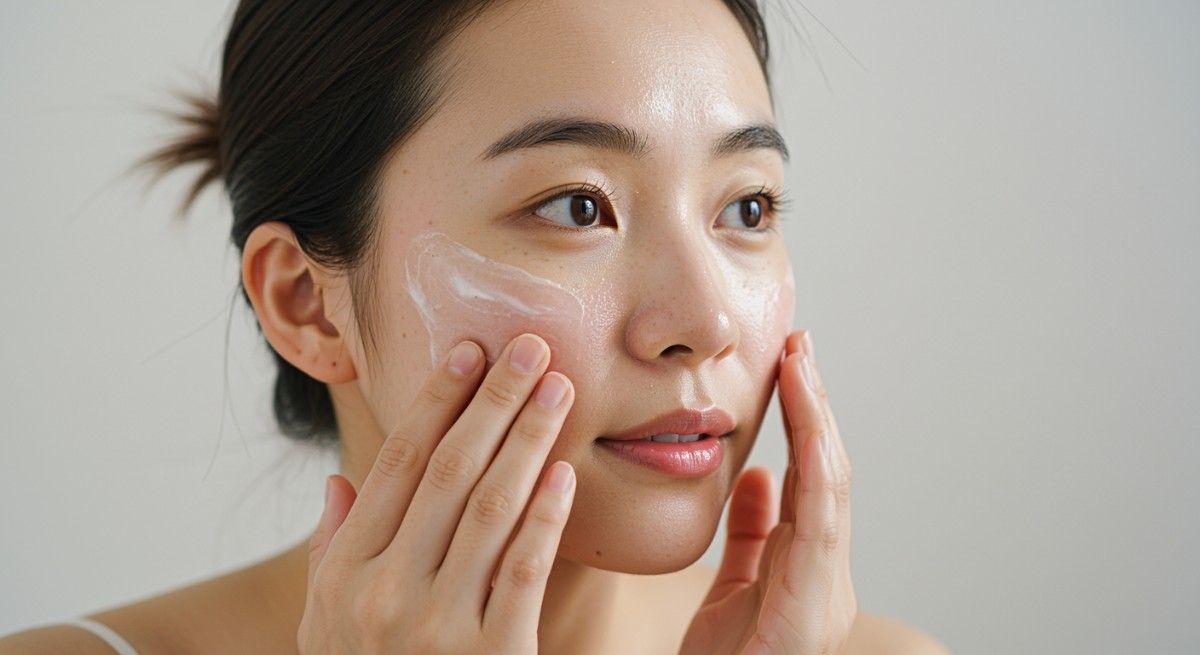
The pursuit of radiant, healthy-looking skin is a journey that many embark on, yet few understand the pivotal role that the right skincare routine—and particularly the right facial cleanser—plays in achieving this goal. Cleansing is arguably the most essential step in any skincare regimen. An effective cleanser serves not only to remove impurities but also sets the stage for further skin treatments, enabling them to work more effectively.
The Importance of Choosing the Right Facial Cleanser
Choosing a facial cleanser that corresponds to one’s skin type and concerns is crucial. Cleansers come in various formulations – gels, creams, oils, balms, and foams – each designed to cater to different skin requirements. That’s why an understanding of one’s skin is indispensable when selecting a product that can truly deliver benefits.
Understanding Your Skin Type
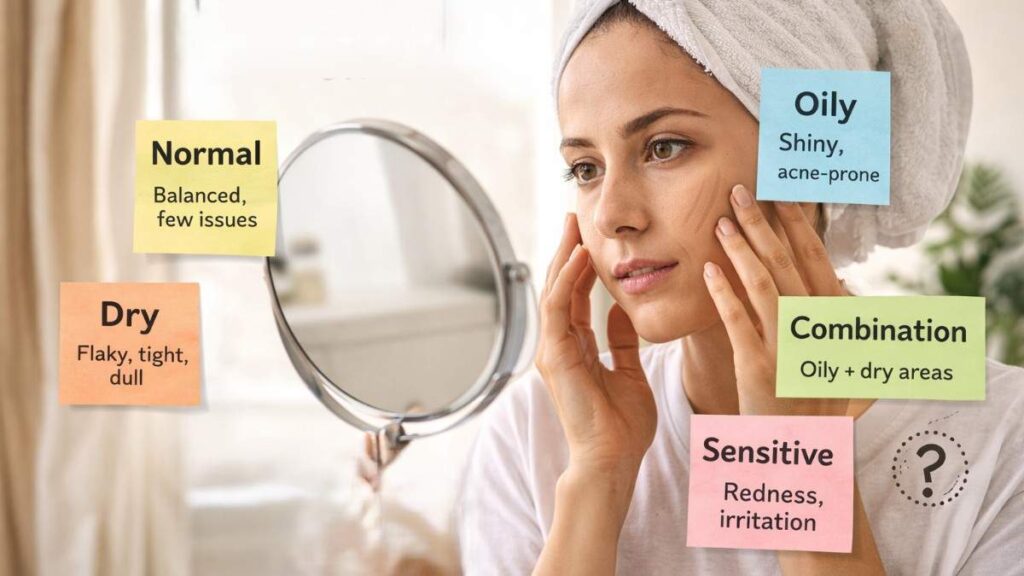
Before selecting a cleanser, it is important to understand your skin type. The five main skin types are normal, oily, dry, combination, and sensitive. Each type has its peculiarities and requires a different approach to cleansing. For instance, oily skin might benefit from a gel-based cleanser that can help regulate sebum production, while dry skin usually responds better to a cream or oil-based cleanser that provides extra hydration.
The Role of a Facial Cleanser in Daily Skincare
Daily cleansing is essential to remove makeup, excess oils, and environmental pollutants that can clog pores and lead to blemishes. An effective facial cleanser goes beyond just cleaning; it prepares the skin for the next steps in your skincare routine, such as toning, treating, and moisturising.
Ingredients to Look for in a Quality Cleanser
When it comes to the efficacy of a facial cleanser, ingredients play a key role. Look for cleansers that contain hydrating ingredients such as glycerin or hyaluronic acid if you have dry skin. Those with oily or acne-prone skin might want to find cleansers with salicylic acid or benzoyl peroxide to help keep the skin clear. Antioxidant-rich ingredients like vitamins C and E can help protect skin from environmental damage and are beneficial for all skin types.
Avoiding Harsh Ingredients
It is equally important to steer clear of harsh surfactants such as sodium lauryl sulfate (SLS), which can strip the skin of its natural oils, leading to irritation or over-drying. Fragrances and dyes can also be irritating, particularly for sensitive skin types. Opting for gentle, skin-friendly cleansers will ensure that the skin maintains its natural balance.
The Double Cleansing Method

For those who wear makeup or sunscreen, the double cleansing method has become quite popular. The process involves using an oil-based cleanser first to dissolve makeup and SPF, followed by a water-based cleanser to remove any remaining impurities. This two-step approach ensures a more thorough clean, which is especially beneficial in the evening before bed.
How Often Should You Cleanse?
While it might be tempting to cleanse multiple times a day, especially for those with oily skin, over-cleansing can lead to irritation and may disrupt the skin’s natural protective barrier. A general rule of thumb is to cleanse twice a day — in the morning and evening. However, listening to your skin’s specific needs can help tailor this advice to suit you better.
Finding the Right Texture and Consistency for Your Skin
Beyond ingredients, the texture and consistency of a cleanser can significantly influence its suitability for your skin type. Oily skin may benefit from lighter foam or gel textures that can help reduce excess shine. Conversely, those with dry or mature skin might prefer a nourishing cream or balm cleanser that aids in the retention of moisture.
The pH Level of Cleansers
The pH level of a cleanser is another aspect worth considering. The skin’s natural pH tends to be slightly acidic, around 5.5. Using a cleanser that is too alkaline can disrupt the skin’s acid mantle, making it more susceptible to bacteria and viruses. Therefore, using a cleanser that respects the skin’s natural pH is preferable.
The Relationship Between Cleansing and Skin Health

It’s not just about how your skin looks, but how it feels and behaves that underlines the importance of cleansing. Skin that is properly cleansed is less prone to acne, irritation, and premature ageing. By removing dead skin cells and unclogging pores, a good cleanser promotes a brighter, smoother complexion and allows for the optimal performance of subsequent skincare products.
Balancing Effectiveness with Gentleness
The balance between effectiveness and gentleness is the key to a great facial cleanser. It must effectively remove impurities without compromising the integrity of the skin. This balance ensures that the skin remains hydrated, healthy, resilient, and more receptive to other skincare treatments that are applied after cleansing.
Conclusion
Unlocking the secrets to radiant skin requires more than just choosing any cleanser; it involves selecting the right facial cleanser that aligns with individual skin types, preferences, and goals. Whether through understanding the significance of ingredients, recognising the ideal consistency, or observing cleansing frequency, one can pave the way to achieving a clear, glowing complexion. As the foundation of any skincare routine, a carefully chosen facial cleanser sets the tone for healthy skin, reinforcing the adage that sometimes, the simplest steps are the most crucial.
In summary, dedicate time to know your skin, be mindful of the ingredients in your skincare products, and opt for the facial cleanser that best suits your unique skin needs. Such insight and care are the cornerstones of not just beauty, but skin health as well, leading towards a naturally radiant visage for years to come.