
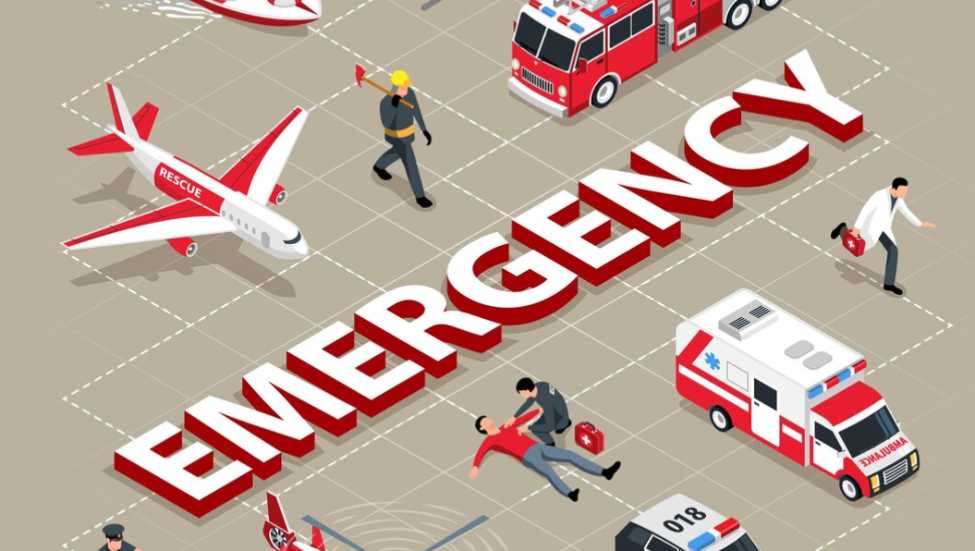
In a medical emergency, every second counts. Ground transportation isn’t always fast enough, especially for patients in remote areas or requiring specialized care far away.
This is where air ambulance services become crucial. These medical flight teams are trained to act quickly, stabilize patients mid-flight, and transport them safely to advanced medical facilities. Knowing how these services work can help families feel more prepared for unexpected emergencies.
What Is Medical Flight Transport?
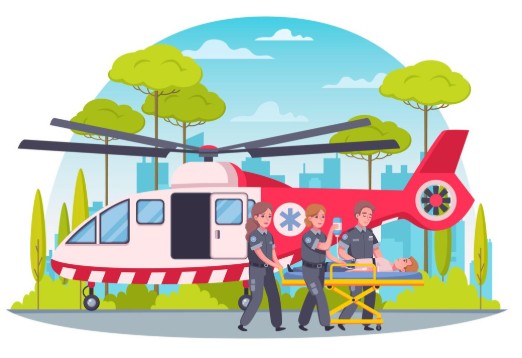
Medical flight transport involves using specially equipped aircraft to transfer critically ill or injured patients. Helicopters are typically used for shorter distances, while fixed-wing airplanes handle longer trips.
Unlike standard aircraft, air ambulances function as flying intensive care units, equipped with advanced medical devices like ventilators, cardiac monitors, oxygen systems, and emergency medications. The purpose is clear: to provide continuous medical care while swiftly transporting patients to the appropriate hospital.
Why Speed Matters in Critical Situations
In medical emergencies like severe trauma, strokes, heart attacks, or organ failure, time is critical for survival and recovery. Treatment delays can result in permanent damage or death. Air ambulances significantly reduce travel time compared to ground transport, especially in areas with heavy traffic or across long rural distances.
This rapid response can be the difference between life and death. For instance, stroke patients require treatment within a narrow time frame to improve their chances of recovery and minimize long-term complications. When every minute counts, speed saves lives.
Highly Trained Medical Teams Onboard
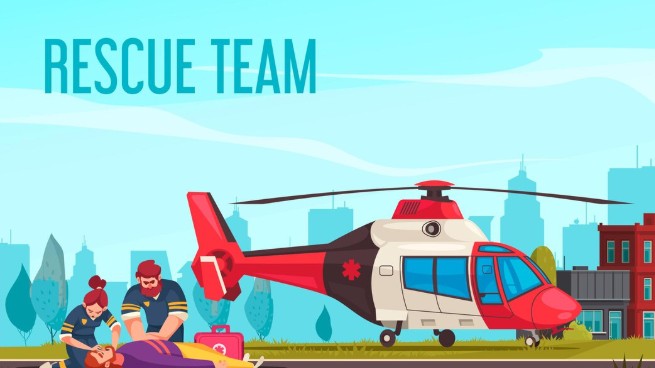
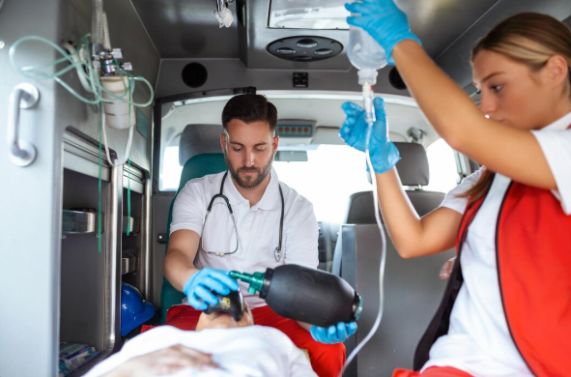
Medical flight transport isn’t just fast travel—it’s expert care in transit. Air ambulance crews include critical care nurses, paramedics, and sometimes emergency-trained physicians.
These professionals are skilled in:
- Managing ventilators and breathing support
- Administering emergency medications
- Monitoring heart rhythms and vital signs
- Performing life-saving procedures mid-flight
Providing this care in the air requires specialized training. Flight teams must handle turbulence, limited space, and changing patient conditions. Their ability to stabilize patients during transport boosts survival rates and improves outcomes.
Reaching Remote and Rural Areas
Many communities lack easy access to large hospitals or specialized treatment centers. In rural or remote areas, the nearest advanced medical facility could be hours away by car.
Air ambulances bridge this critical gap. Helicopters can reach places inaccessible to ground vehicles, while fixed-wing aircraft can transfer patients between cities or countries. This rapid transport ensures that a patient’s location doesn’t compromise their quality of care.
Interfacility Transfers for Specialized Care
Many medical emergencies require transfer from a local hospital to a higher-level facility. A small hospital may stabilize a patient but lack specialized equipment or surgical teams.
Medical flight transport is often used for:
- Transferring premature infants to neonatal intensive care units
- Moving trauma patients to advanced trauma centers
- Transporting cardiac patients to specialized heart hospitals
- Relocating patients for organ transplants
Continuity of care during these transfers is crucial. Air medical teams communicate closely with both sending and receiving hospitals for smooth coordination. This effective communication reduces risks and ensures treatment continues without interruption.
Advanced Equipment in the Air
Air ambulances are equipped with advanced technology similar to what is found in hospital intensive care units. This allows medical teams to monitor and treat patients continuously.
Common equipment includes:
- Portable ventilators
- Cardiac defibrillators
- IV infusion pumps
- Advanced monitoring systems
These tools enable caregivers to quickly respond to changes in a patient’s condition. Hospital-level equipment onboard ensures uninterrupted care during transport, while reliable tools and skilled staff work together to improve survival chances.
Emotional Support for Families
Medical emergencies can be overwhelming for families. Knowing a loved one is being transported safely by trained professionals provides reassurance during a stressful time.
Air ambulance providers often help families with coordination, paperwork, and communication, and clear updates can reduce anxiety. While the situation is critical, organized planning and compassionate communication make a significant difference.
The Coordination Behind Every Flight
Every mission requires careful planning. Dispatch teams assess weather conditions, flight paths, medical requirements, and hospital availability. Pilots, medical personnel, and ground staff collaborate to ensure a safe and efficient transfer.
This coordination occurs rapidly, often within minutes of a call. This teamwork ensures patients receive prompt care and arrive safely at their destination.
Conclusion
Air ambulance services are essential in emergency healthcare, providing rapid response, advanced medical care, and quick access to specialized treatment when time is critical. These medical flights combine speed, expertise, and technology to improve survival in life-threatening situations.
From remote rescues to interfacility transfers, they bridge the gap between emergency care and recovery. Understanding how air ambulances operate underscores their critical role in modern healthcare. When every second counts, a skilled and well-equipped flight team can mean the difference between life and death.