
Keeping commercial buildings in good shape means thinking ahead. That includes planning for repairs or upgrades before problems show up. Gutter installation is one of those things that can slip under the radar until leaks start forming or water pools at the base of a structure.
In Odessa, properties are up against wind, dust, and the occasional harsh rain. Over time, those conditions wear out weak or poorly designed gutter systems. That’s why budgeting for commercial gutter work should happen before damage does. Planning for commercial gutters in Odessa, TX, doesn’t have to stretch a budget thin when approached with a little foresight and smart decisions.
Choose The Right Type For The Building
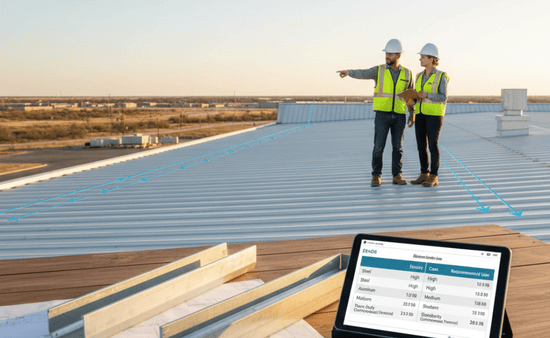
Every building has its own layout, roof pitch, and drainage flow. A single system doesn’t fit all needs. It helps to look at how water moves across the tile roof and where it tends to collect. That determines what size and shape of gutter works best.
Materials also play a part in cost. Steel handles heavy-duty weather well but comes with a higher price. Aluminum is lighter and budget-friendly but may dent or warp more easily. Matching the material to the building’s design keeps performance strong and prices reasonable.
Collect Estimates From Local Contractors
Instead of guessing, it’s best to have professionals visit the site and provide real numbers. They’ll measure, assess drainage paths, and look at roof access. The final price depends on all these factors.
Getting more than one estimate helps with comparison. Some contractors include clean-up, downspouts, or removal of old systems, while others charge extra. A clear breakdown helps avoid hidden costs and shows where the real value sits.
Break The Project Into Stages
Spreading the work over two or three phases makes larger installs easier to handle. Property owners can start with the areas in the worst shape and then schedule the rest later in the year. This keeps pressure off budgets and lets maintenance teams prep other sections in the meantime.
Staging work doesn’t mean settling for lower quality. It allows a plan to take shape around the most pressing needs while still aiming for full coverage. Over a few months, the entire building can be brought up to standard.
Add Maintenance Costs To The Budget
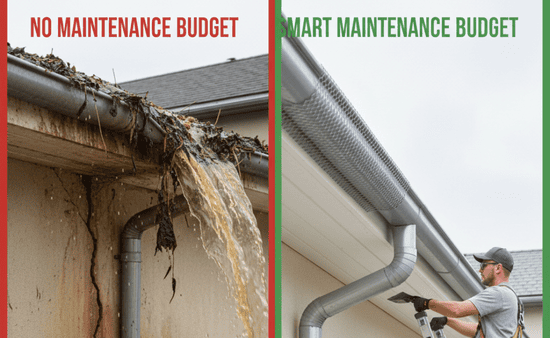
Once gutters are installed, regular upkeep keeps them working. West Texas winds blow in dust, leaves, and debris that can clog even a brand-new system. Neglecting maintenance usually leads to sagging lines, rust, or water overflow.
A smart budget includes yearly inspections or cleanings. Some companies offer service plans that cover seasonal work at a lower rate. Even without a package, setting aside funds for small upkeep jobs saves money in the long run.
Consider Payment Plans Or Capital Allocations
Some projects qualify for capital budgeting, letting businesses split the cost across several years. This works well for large commercial properties that need new gutter systems as part of broader upgrades. It keeps finances balanced without delaying the work.
Contractors may also offer payment plans. If that option fits, it eases pressure and helps maintain cash flow. This flexibility can be helpful for property managers juggling several updates across different buildings.
Water damage doesn’t wait. When it hits, repairs can be time-consuming and expensive. Planning for gutter installation ahead of time means fewer emergencies and better control over costs. A smart budget for commercial gutters in Odessa, TX, keeps the property ready for tough weather and avoids surprise repairs. Good planning here pays off later when buildings stay dry, safe, and well-maintained.