
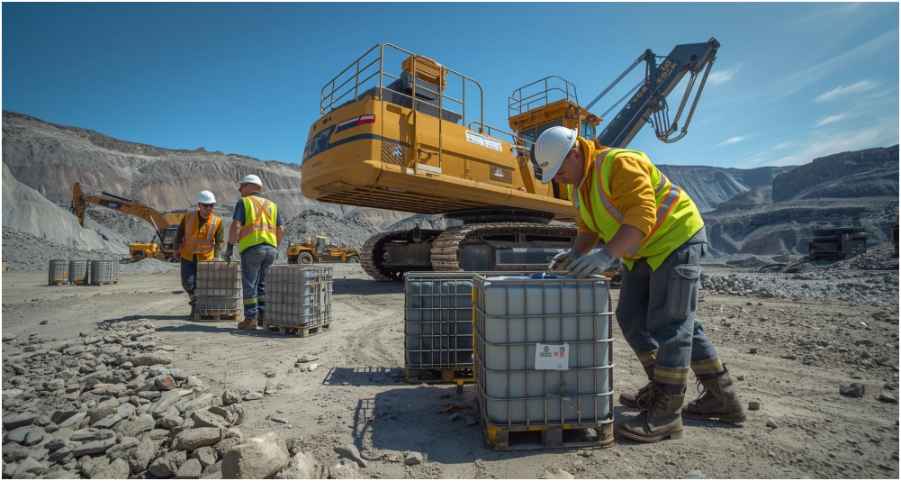
Mining is an industry that fuels the global economy, providing essential resources that power our daily lives. However, alongside its benefits comes the responsibility of managing hazardous materials safely. Toxic chemicals, heavy metals, explosives, and flammable substances are part of many mining operations.
Mishandling them can lead to environmental disasters, equipment damage, or serious injury to workers. Mining companies and operators must prioritize safety, compliance, and environmental protection at every stage of handling dangerous substances.
Understanding the Hazards
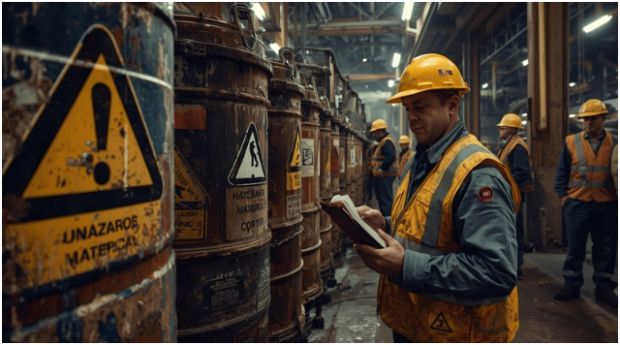
Before handling any hazardous material, it’s critical to understand its properties. Some substances are toxic if inhaled or ingested, while others are highly flammable or reactive with other chemicals.
Heavy metals like mercury or lead can cause long-term health problems, while explosives and chemicals used in ore processing can trigger catastrophic accidents if not stored and handled correctly. Proper identification, labeling, and documentation of hazardous materials help workers recognize the risks and take the necessary precautions.
Proper Storage and Segregation
One of the first steps in safe handling is storing hazardous substances correctly. This includes keeping incompatible materials separate, using secure containers, and maintaining storage areas that comply with safety standards.
Ventilated and temperature-controlled storage is especially important for chemicals sensitive to heat, light, or moisture. Clearly marked storage zones reduce the risk of accidental mixing, spills, or fires.
Personal Protective Equipment (PPE) and Training
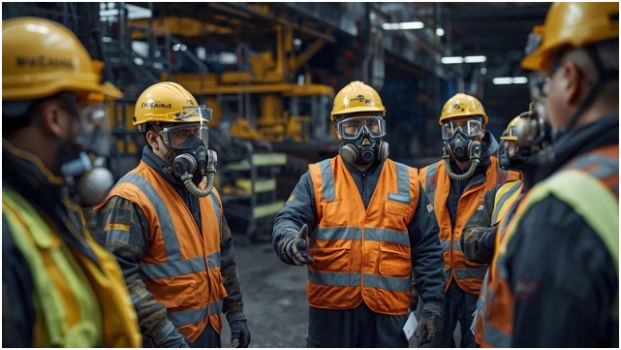
PPE is a cornerstone of worker safety in mining. Gloves, respirators, goggles, and protective clothing shield employees from chemical exposure and physical harm. However, equipment alone isn’t enough. Comprehensive training ensures that workers know how to use PPE effectively, recognize hazards, and respond to emergencies. Regular drills and refreshers help reinforce safe practices, ensuring that everyone on site is prepared for unexpected situations.
Safe Transportation and Handling
Moving hazardous materials within a mining site or to processing facilities requires careful planning. Using specialized transport equipment, such as the Shield hauler, ensures that toxic or reactive substances are carried securely, reducing the risk of spills or leaks. Workers should follow strict handling protocols, including minimizing manual handling, avoiding rapid movements that could trigger reactions, and keeping detailed logs of materials transported.
Spill Response and Emergency Planning
Even with the best precautions, accidents can happen. A robust spill response plan is essential to limit environmental and human impact. Emergency kits, containment equipment, and clear procedures allow workers to act quickly and safely.
Regularly reviewing and updating emergency plans including air ambulance services for quick action ensures that the mining operation remains compliant with regulations and that staff are confident in their response capabilities.
Environmental and Regulatory Compliance
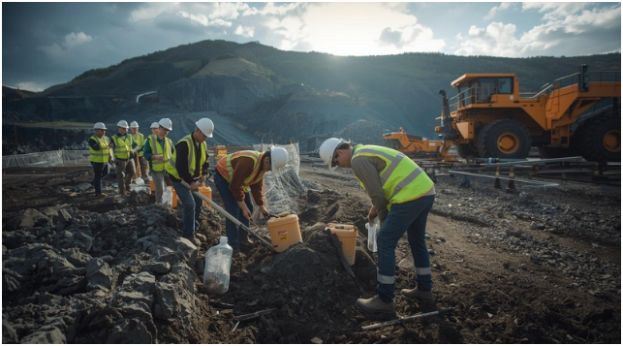
Handling hazardous materials in mining isn’t just about worker safety—it’s also about protecting the environment. Regulations from organizations such as OSHA, EPA, or local mining authorities set standards for storage, disposal, and reporting. Adhering to these rules prevents environmental contamination, legal penalties, and reputational damage. Responsible mining practices include treating waste, recycling where possible, and monitoring soil and water for contamination.
Culture of Safety
Ultimately, the key to managing dangerous substances in mining is fostering a culture of safety. This means encouraging open communication, reporting near-misses without fear of reprisal, and continuously evaluating procedures to improve safety standards. A proactive approach even for small businesses is essential to ensure that hazards are identified before accidents occur, and workers feel empowered to prioritize their health and safety.
Conclusion
Mining operations involve inherent risks, but managing hazardous materials responsibly can significantly reduce those risks. By understanding hazards, enforcing proper storage, using PPE, training employees, and planning for emergencies, mining companies can protect both their workforce and the environment.
Incorporating specialized equipment like the Shield hauler demonstrates a commitment to safety and operational efficiency. Mining with care isn’t just a regulatory obligation—it’s a moral and practical imperative that benefits everyone involved.