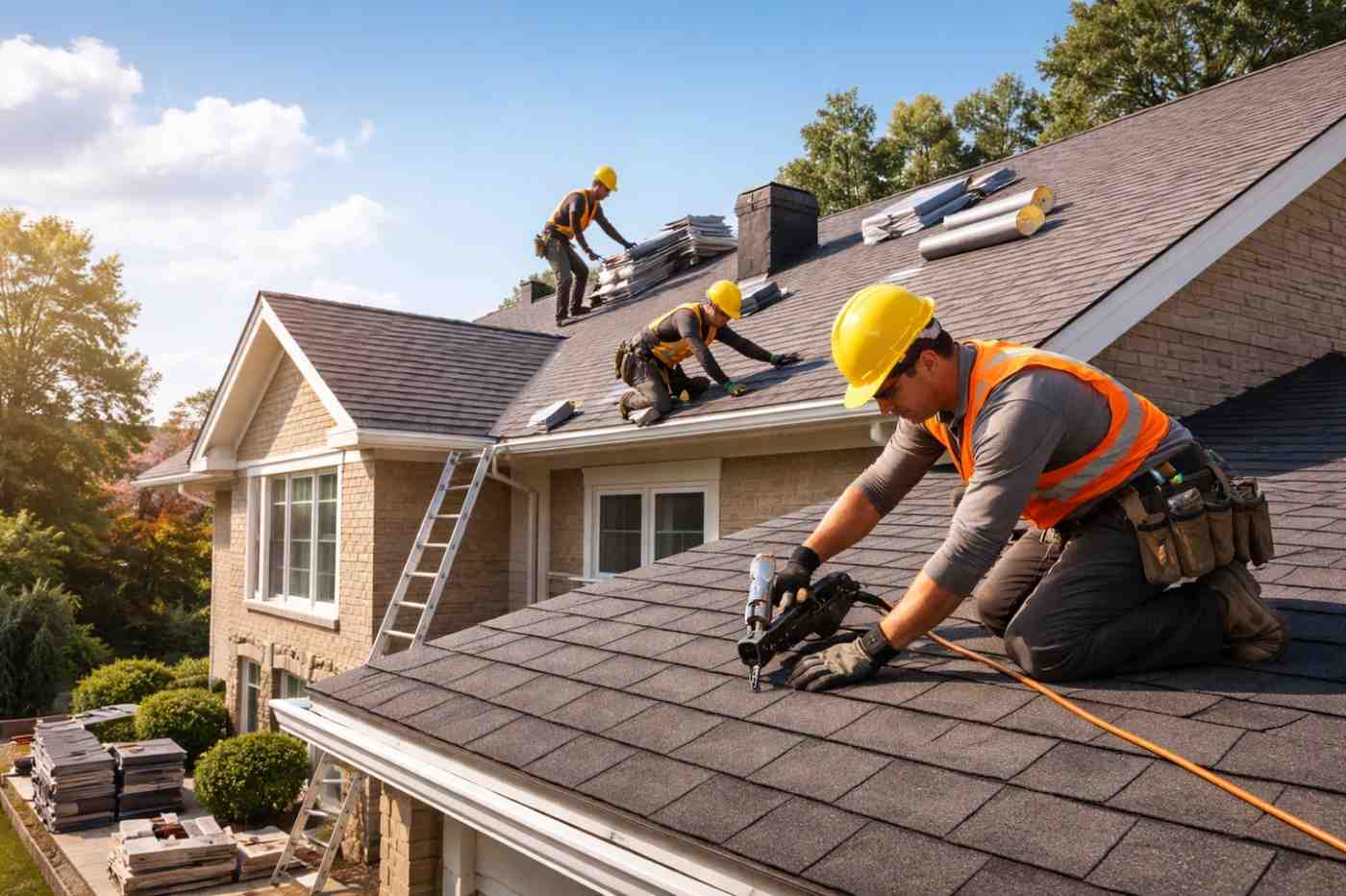
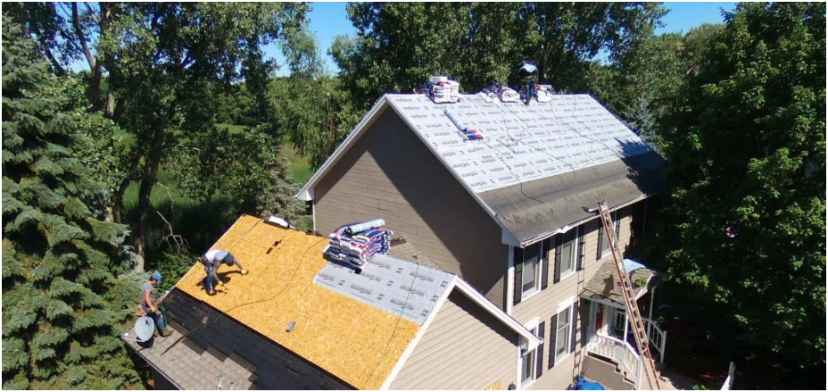
A roof guards your home from rain, wind, and harsh temperature shifts throughout every season. As materials age, small gaps allow moisture to reach wood, insulation, and interior finishes. A planned replacement restores reliable coverage before minor problems become costly repairs.
A strong roof project treats the system as layers that work together for long-term results. Roofing replacement can add upgraded underlayment, new flashings, and better ventilation for stronger defense. The benefits below show how a new roof reduces risk and protects daily comfort.
Stronger Barriers Against Water Entry
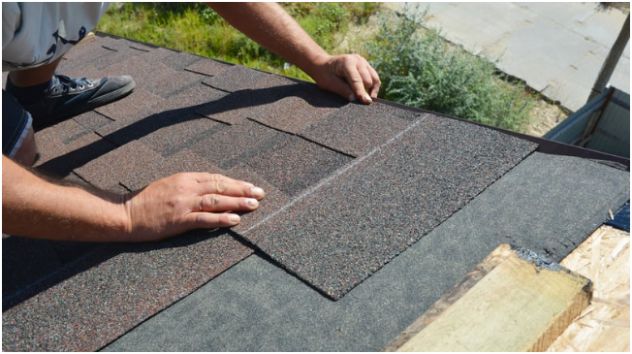
New shingles or panels form a tight surface that directs water toward gutters and downspouts. Modern underlayment adds a second barrier when wind pushes rain under exposed edges. Fresh seal lines at eaves and ridges reduce leak paths near the roof decking.
Water can travel along framing and show stains far from the original entry point. Tile roof replacement allows crews to remove soft decking and install clean layers with secure overlaps. This reset helps protect drywall, flooring, and stored items during heavy storm cycles.
Better Protection Around Flashings and Penetrations
Flashings control water around chimneys, skylights, walls, and pipe boots across the roof. Old metal can corrode, and sealants fail, which allows slow leaks near key joints. New flashings restore tight seals in the areas most prone to water damage.
Crews can correct past shortcuts, such as exposed fasteners or weak step flashing at walls. A proper layout uses compatible metals and secure fasteners that hold through heat cycles. These details reduce stain returns, wood decay, and repair calls after severe weather.
Higher Wind Resistance and Storm Readiness
Modern materials include stronger seal strips and higher wind ratings than many older products. Correct nail patterns and starter strips help shingles resist uplift during gusts and squalls. Ridge caps also lock down with consistent overlap for better storm performance.
Debris impact can crack weak surfaces, so product selection matters for your region. Ask about impact-rated shingles if hail or falling limbs pose real threats nearby. A roof built to current standards reduces emergency tarps and interior water exposure and prevents common roofing issues.
Healthier Attic Conditions and Moisture Control
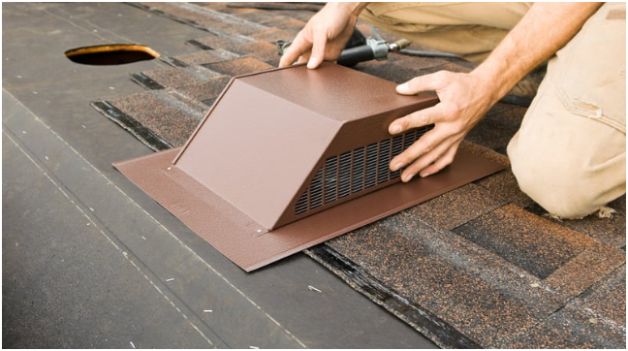
Attic airflow affects roof life because trapped moisture weakens wood and supports mold growth. A replacement scope can add intake vents and ridge vents for balanced airflow. Better air movement reduces condensation and helps insulation stay dry and effective in winter.
A new roof can also support comfort by reducing attic heat during summer peaks. Reflective options and correct vent paths limit heat stress that shortens shingle life. Contractors can clear blocked vent routes and protect the deck with sealed transitions.
Safer Structure and Cleaner Indoor Spaces
Tear-off work can reveal rot, delamination, and fastener issues that hide under old layers. Deck repairs restore strength so the roof handles ladders and service visits with safety. This work also reduces sag lines that trap water and speed surface wear.
Indoor air quality can improve once leaks stop and damp insulation leaves the attic. Dry framing reduces musty odors and lowers the risk of ceiling stains after rain. In many homes, the job also seals gaps that let dust and pests enter.
Roofing replacement improves protection through tighter water barriers, stronger storm resistance, and safer structural support. A quality job depends on durable materials, precise installation, and a clear scope with documented details. Choose a proven contractor so your roof protects your home with confidence for years.