
A roof stays reliable when small problems get attention before water finds a path inside. Sun exposure, wind, and rain can wear down shingles and flashing in quiet ways. A simple seasonal plan helps homeowners avoid surprise leaks and costly interior damage.
Prevention also makes budgeting easier because repairs stay smaller and more predictable. When issues appear, residential roofing repair services can correct weak spots before they spread across larger roof areas. The guide below outlines practical steps you can follow through every season.
Seasonal Roof Checks That Catch Problems Early

A quick roof check can reveal loose shingles, lifted flashing, and debris buildup after storms. Consistent checks help you spot changes before leaks reach the decking and insulation. The bullet points below cover what to look for during routine inspections.
- Look for missing shingles, curling edges, and exposed nail heads along roof slopes.
- Check flashing near chimneys, vents, and valleys for gaps or loose sections.
- Inspect gutters and downspouts for clogs that cause overflow along fascia boards.
- Scan ceilings and attic spaces for stains, damp insulation, or musty odors.
Use binoculars and check roof lines from the ground when access feels unsafe. Photos after major storms help you compare changes and track problem areas. A professional inspection can add clarity when you see uncertain damage.
Gutter Care and Drainage Control
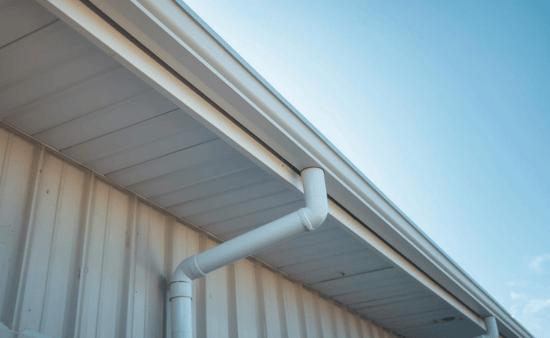
Gutters protect roofs by directing water away from the edge and into safe drainage paths. When clogs form, water can back up under shingles and stain fascia boards. Keeping gutters clear helps protect the roof surface and supports longer material life.
Downspouts should discharge water away from the foundation and planting beds. Short extensions can cause splashback that wets lower siding and trim boards. Clean drainage also reduces ice risk and helps protect roof edges in winter.
Flashing and Vent Penetration Maintenance

Flashing protects the roof where materials meet and where openings are cut through the surface. Small cracks in seal areas can become leak paths during heavy rain and wind. The bullet points below list common spots that deserve extra attention.
- Chimney flashing that separates from masonry or shows lifted edges near joints.
- Vent boots with cracked collars or gaps around the pipe penetration.
- Valley areas where debris collects and slows water flow during storms.
- Skylight edges, where seal failure can cause stains along interior drywall.
A trained roofer can reseal and secure these details with proper materials. Correct repairs keep water away from vulnerable joints and protect the roof structure. This work also reduces stain risk and helps maintain indoor comfort.
Attic Ventilation and Moisture Prevention
Attic moisture can weaken roof decking and reduce insulation performance over time. Balanced intake and exhaust vents help reduce heat buildup and support stable roof temperatures. This airflow also helps reduce condensation that can lead to musty odors.
When moisture signs persist, residential roofing repair services can inspect decking, vent balance, and flashing lines for hidden leak paths. A professional can confirm if damp insulation comes from condensation or water intrusion through the roof system. This assessment helps you fix the root cause and avoid repeat stains and warped materials.
Roof prevention works best when you pair seasonal checks with clean drainage and strong flashing details. Small steps can reduce leaks, protect insulation, and keep repairs manageable year-round. With consistent care, your roof can stay dependable for many years.